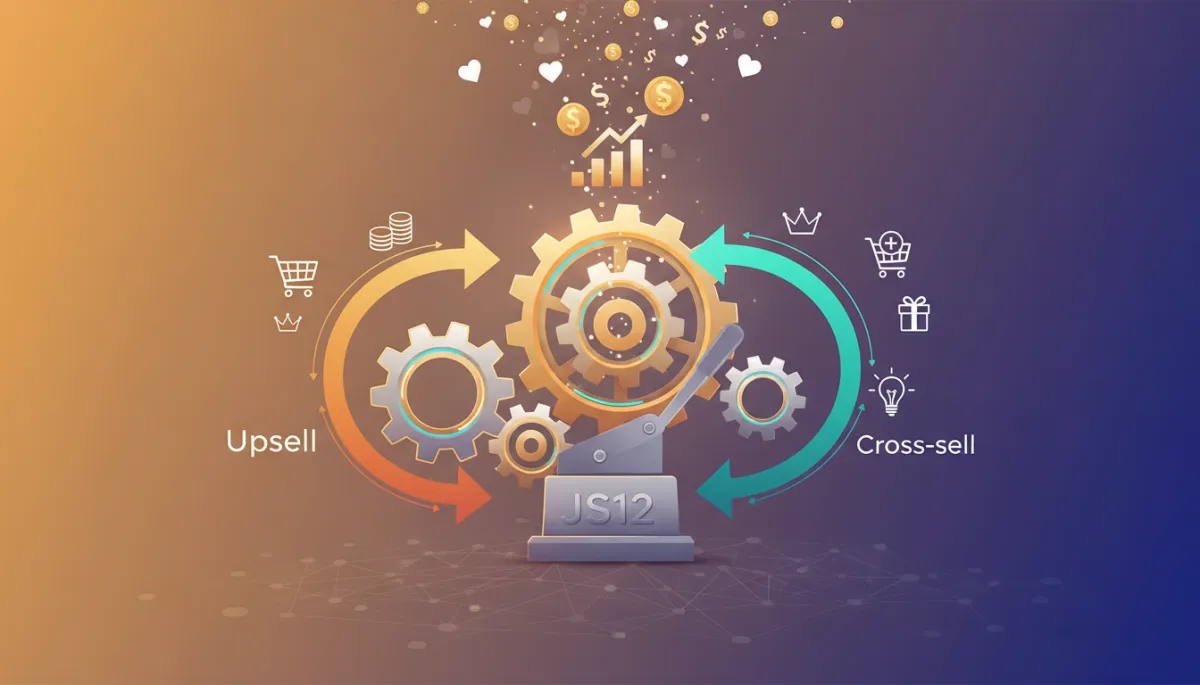
Unlock Hidden Profit with Upselling & Cross-Selling
Sales Strategy, Upselling, Cross-Selling, Small Business Growth
How Can Upsells and Cross-Sells Unlock Hidden Profit in Your Business?
As an established local business owner, you’ve already done the hard work—built a solid reputation, hired a team, and kept the doors open through good and challenging economies. Yet despite good revenue growth, your profit and personal freedom don't seem to reflect all of your hard work (aka blood, sweat and tears). I see this pattern a lot with the clients I work with. There are multiple levers a business can 'pull' to improve results. Today, I want to talk about one of the most reliable levers to change, it is surprisingly simple: strategic upselling and cross-selling to the customers you already serve.
What Exactly Is Upselling and Cross-Selling?
Start with clarity, to make this strategy effective, you need clear definitions that you could explain to a third grader. I should be easy for you to explain and more importantly for your team to understand (on the phone, in the field, and at the front desk).
What is upselling?
Upselling is offering a higher-value version of what the customer is already buying—an upgrade that improves their result, convenience, or long-term outcome. The core purchase stays the same, but the scope, quality, or duration increases. Done correctly, an upsell feels like, “If you’re already doing this, here’s the smarter way to do it.”
What is cross-selling?
Cross-selling is recommending additional, complementary products or services that naturally fit with the original purchase. The customer’s core need does not change—you simply help them solve the related problems that usually show up alongside it. A good cross-sell sounds like, “Since you’re already doing X, most clients also benefit from Y.”
💡 Pro Tip: Upsells improve the version of what they’re buying; cross-sells expand the scope of what you help them with.
Why Should You Focus on Existing Customers First?
Most owners default to “more leads” when they want more revenue. Yet from a profitability and complexity standpoint, this is often the most expensive and demanding path. Your existing customers already trust you, your team, and your judgment—selling more to them is not only easier, it is usually more profitable and less chaotic than finding and onboarding new clients.
The likelihood of selling to an existing customer is estimated at 60–70%.
The likelihood of selling to a new prospect drops to roughly 5–20%.
When you design upsell and cross-sell offers that genuinely improve your customers’ outcomes, you are not “pushing more stuff.” You're helping them get a better result from the decision they have already made to work with you—while increasing your average transaction size and long-term customer value.
What Are the Real Benefits of Upselling and Cross-Selling?
Most of the time when I bring up this lever with the local businesses I work with, they generally get the concept, but don't always have a good plan in place to make it work for them. When done right, these clients realize the following benefits.
Higher average transaction value: Each job, project, or contract becomes more profitable without adding a new client to your workload or marketing budget.
Increased customer lifetime value: When you solve more of a customer’s problems, they stay longer, spend more, and refer more qualified business.
Stronger positioning as a trusted advisor: Thoughtful recommendations shift you from “vendor” to “partner,” reducing price sensitivity and comparison shopping.
Better use of existing capacity: Often your team has room to deliver more value per customer—upsells and cross-sells put that capacity to work without creating more operational chaos.

Even modest upsell improvements can lift profit significantly without adding new customers.
What Do Upsells and Cross-Sells Look Like in the Real World?
How does a home services company apply this?
Imagine you run an HVAC, plumbing, or electrical business. A customer books a standard service call for a repair or tune-up. This is already a revenue event—but it can be much more strategic.
Upsell: Offer a premium maintenance plan that includes priority scheduling, extended warranties, and seasonal inspections. The customer gains peace of mind and fewer emergencies; you gain recurring, predictable revenue.
Cross-sell: During the same visit, suggest duct cleaning, indoor air quality solutions, or installing a smart thermostat—logical add-ons that enhance comfort and efficiency.
How might a marketing or creative agency use these levers?
Consider a local agency managing social media for a small business client. The base retainer covers content creation and posting. With no additional marketing spend, you can increase value and revenue.
Upsell: Offer a higher-tier package that includes strategic quarterly planning, deeper analytics reporting, or ad campaign management. The client receives more insight and better results; you earn higher monthly fees for similar overhead.
Cross-sell: Introduce complementary services such as email marketing, website optimization, or reputation management—services that help the client turn attention into actual revenue.
How can professional services and consulting benefit?
If you provide consulting, accounting, or HR support, you are already positioned as a trusted advisor. Upsells and cross-sells simply formalize what many owners do informally—help clients with the next layer of their challenges.
Upsell: Move from one-off projects to ongoing advisory retainers, VIP implementation, or done-with-you programs that provide deeper support and accountability.
Cross-sell: Add workshops, training for the client’s team, or standardized toolkits that reinforce your core service and improve execution.
📌 Key Takeaway: The best upsells and cross-sells are not random offers—they are the next logical step for a customer who wants a better outcome from the work you are already doing together.
How Can Small Business Owners Implement Upselling and Cross-Selling Systematically?
1. Where are the natural decision points in your customer journey?
Start by looking at the key touchpoints where customers already say “yes” to you—initial contact, estimate approval, service visit, project handoff, renewal, or review requests. These are the safest, least "cringy" moments to present your upsell or cross-sell solutions because the customer is already engaged and receptive.
2. What are your “next step” offers for each core service?
For every product or service, identify at least one clear upsell and one logical cross-sell. Ask:
What version of this service would deliver a better, more durable, or more convenient outcome for my client?
What related problems does my typical client face before or after this purchase that we can solve?
3. How will your team share these offers without feeling “salesy”?
Owner-dependent selling is not scalable. To reduce reliance on you, your team needs simple scripts and clarity. The language should be clear, respectful, and focused on helping the customer make an informed decision. For example:
“Most of our clients who choose this option also add [cross-sell] because it helps them [specific benefit]. Would you like to see what that looks like?”
This approach keeps control with the customer, while making sure you do not leave value on the table (or hold back a better outcome for the client) due to poor delivery or unclear wording.
4. How will you track and refine your results?
What gets measured gets managed. Choose a few simple metrics—such as average transaction value, percentage of customers who buy at least one add-on, or the number of maintenance plans sold per month—and review them regularly. Small improvements here compound into meaningful profit gains over a year.
5. How to apply upsell and cross-sell behavior with accountability?
To move beyond owner-driven efforts, connect these behaviors to your team’s scorecards, training, and recognition. Celebrate when team members help customers choose better solutions, not just bigger invoices. This reinforces your values—long-term health over short-term wins—while still driving profit.
💡 Pro Tip: Role-play upsell and cross-sell conversations in team meetings. Confidence and clarity in the room translate directly to better execution with customers.
How Does This Fit Into a Bigger Profit and Freedom Strategy?
Upselling and cross-selling are not about squeezing every last dollar out of a customer—they are about building a business that is more profitable, predictable, and less dependent on you personally. When your offers are solid, your systems are clear, and your team is trained, this lever reliably adds to both your top and bottom lines for your business.
I view these strategies as part of a broader shift—from an owner who has to personally drive every sale, solve every problem, and rescue every month’s numbers, to a business that consistently grows their profit and delivers even greater value to their clients. Upsells and cross-sells are one of the cleanest ways to start that shift using the business you already have.
What’s Your Next Step to Unlock Hidden Profit?
If you suspect there is more profit inside your current customer base—and you want to uncover it without messing up your hard-earned reputation or overwhelming your team—the next logical step is to get clarity on where the biggest opportunities are. That is exactly what I help my clients to do.
Ready to Dive Deeper? Join our next Live Training.
If you want to see exactly how to implement upsell and cross-sell strategies in your business without feeling pushy or awkward, then join us for our next live Small Business Mentorship Workshop.
🗓️ Monday: Deep Dive on Upsell & Cross-Sell
Learn how to unlock hidden profit, boost customer loyalty, and make every sale count.
Reserve your spot for Monday’s session!
Let’s turn your existing customers into your biggest growth engine.
See you Monday!